
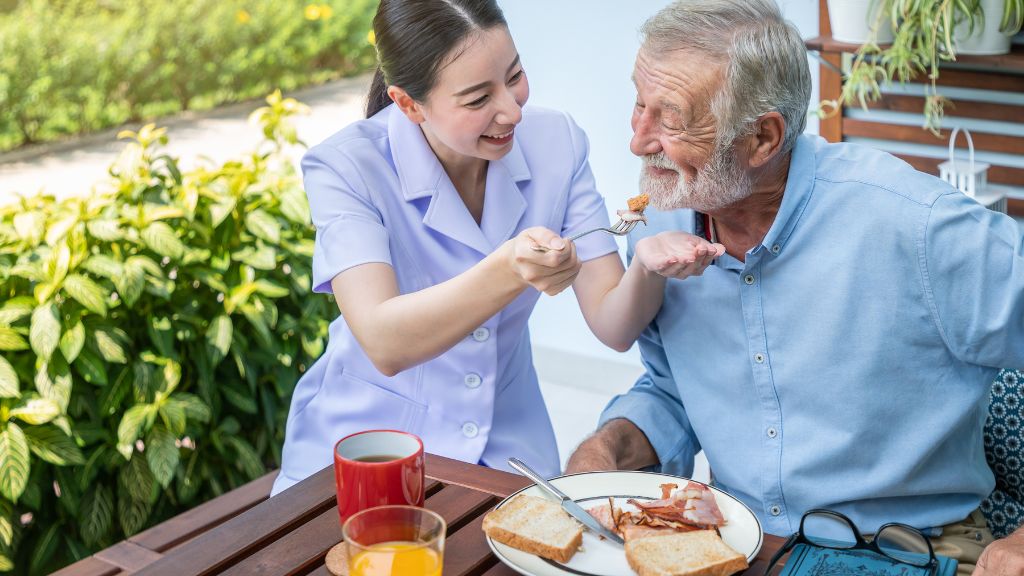
Caregivers play an critical position in supporting folks that need help with day by day living due to age, infection, or disability. Whether working in non-public homes, assisted-living centers, or healthcare settings, caregivers help enhance satisfactory of lifestyles with the aid of imparting physical, emotional, and practical assist.
This article explores the top caregiver duties, a detailed caregiver task description, and solutions common questions about the role.
What Is a Caregiver?
A caregiver is a person who gives assist, supervision, and assistance to folks that can not fully take care of themselves. This includes seniors, human beings getting better from harm, or people with chronic ailments or disabilities. Caregivers may be circle of relatives individuals or hired professionals.
Caregiver Job Description
A caregiver’s process revolves round offering customized care primarily based on a client’s physical and emotional desires. A ordinary caregiver process description includes:
- Assisting with each day residing activities
- Monitoring health and reporting changes
- Providing companionship
- Maintaining a secure residing surroundings
- Supporting mobility and physical functioning
- Preparing food and coping with primary family obligations
Employers may require certifications such as CPR, first resource, or specialised caregiver schooling, depending on the placement.
Top Caregiver Duties and Responsibilities
Here are the most common care tasks that are carried out in the home and the healthcare system:
- Personal care assistance
Helps with bathing, grooming, dressing, going to the toilet and hygiene. - Prepare and serve food
Help with planning, cooking and eating nutritious meals if needed. - Medical treatment
Ensure that medicines are taken correctly and on time. - Mobility assistance
Assists clients to walk, transfer from bed to chair or use mobility aids safely. - Housekeeping work
Light cleaning, laundry, organization and maintenance of a safe home environment. - Transportation
Driving or accompanying clients to medical appointments, errands or social outings. - Cooperation and emotional support
Engage clients in conversations, hobbies and activities to reduce loneliness. - Monitoring of health changes
Observe physical or behavioral changes and report them to family or medical professionals.
Five Key Responsibilities of Caregivers
Many human beings ask: What are 5 responsibilities of caregivers? Here are the center ones:
- Assistance with day by day private care
- Ensuring client safety and luxury
- Providing emotional support and companionship
- Managing food, medications, and schedules
- Communicating health updates to own family or professionals
These Five obligations shape the inspiration of effective and compassionate caregiving.
Skills Needed to Be a Successful Caregiver
To excel in caregiver roles, people ought to have:
- Patience and empathy
- Strong conversation skills
- Physical stamina
- Time-management capabilities
- Basic scientific or first-aid expertise
- Problem-solving abilities
- Reliability and honesty
These features help caregivers offer the great viable help to their customers.
Conclusion
Caregivers are crucial individuals of the healthcare and domestic-care community. Their obligations variety from non-public care and household guide to emotional companionship and safety tracking. Understanding caregiver task responsibilities allows each households and professionals set clear expectancies and deliver compassionate, incredible care.
Frequently Asked Questions (FAQs)
1. What is the main duty of a caregiver?
The number one obligation of a caregiver is to assist customers with day by day living sports and make certain their safety, consolation, and properly-being.
2. Do caregivers need formal training?
Some positions require certifications like CPR or nursing assistant training, even as others most effective require fundamental caregiving skills and enjoy.
3. What qualities make a good caregiver?
Patience, empathy, reliability, communique abilities, and physical stamina are vital caregiver features.
4. Can caregivers help with medication?
Yes, caregivers frequently help with medication reminders and schedule management, although simplest licensed experts can administer certain medicines.
5. Is caregiving considered a full-time job?
Caregiving can be element-time, complete-time, or live-in relying on the client’s desires and the employer’s requirements.
6. What does a caregiver do in a typical day?
A caregiver allows with each day residing duties, maintains customers safe, prepares meals, handles mild housework, and offers companionship.
7. What are in-home caregiver duties?
In-home caregiver responsibilities include helping with bathing, grooming, dressing, meal preparation, mobility guide, and home tasks in the customer’s home.
8. What should be included in a caregiver duties description?
A caregiver duties description must listing private care responsibilities, safety monitoring, meal prep, transportation, medicine reminders, and domestic help.
9. What are the essential duties of a caregiver for seniors?
For seniors, important responsibilities encompass fall prevention, medicinal drug reminders, mobility help, hygiene care, and emotional companionship.
10. What responsibilities go in a caregiver resume?
A caregiver resume need to spotlight patient care, every day dwelling help, domestic control, important signs tracking, and verbal exchange with families.
11. What are caregiver job duties and responsibilities?
Caregiver process responsibilities and duties encompass assisting day by day sports, coping with family duties, ensuring safety, and reporting health changes.
12. What does a caregiver job description usually include?
It consists of bodily care, emotional guide, mobility help, light housework, meal planning, and transportation.
13. What are the top skills needed for a caregiver?
Key caregiver abilities include patience, empathy, verbal exchange, physical stamina, trouble-solving, and simple clinical information.